Machining at Scale: How Large-Envelope Components Are Held, Bored and Verified
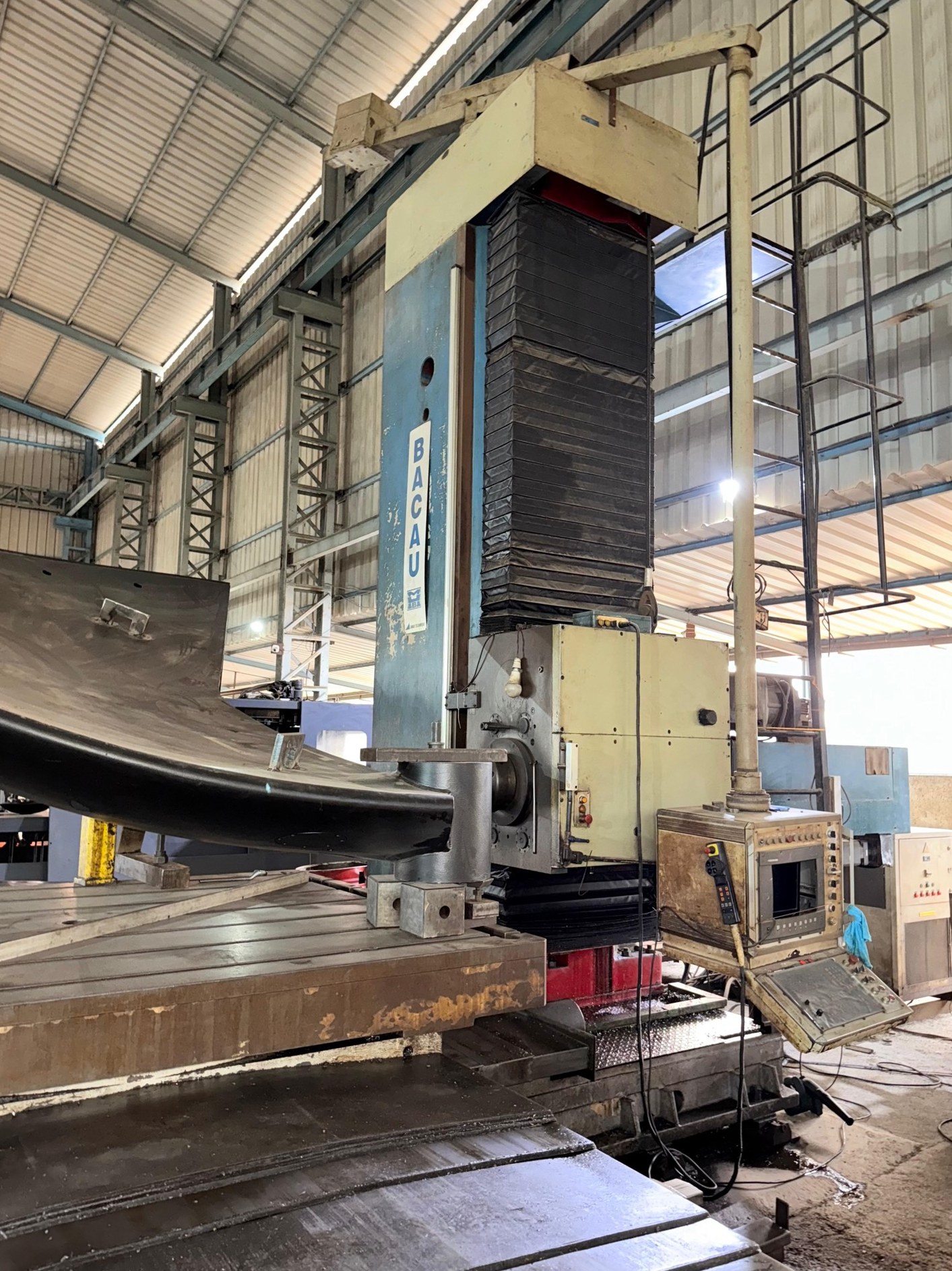
When a component weighs several tons and spans metres, the machining strategy begins long before the first cut. Fixturing must locate and restrain the part without inducing distortion, and the machine must have the travel, rigidity and table capacity to handle the envelope.
Horizontal boring machines are the workhorses of large-component manufacturing. With spindle diameters engineered for heavy cutting and travels measured in metres, they bore, mill and face features that must remain true across the full length of a part.
Verification is inseparable from machining. Datums are established and revisited, and critical features are measured in-process so that corrections happen before a part is released from the machine. For defence and marine assemblies, this closed loop between machining and inspection is what guarantees conformance.
The combination of large-capacity machines, disciplined fixturing and integrated inspection is what allows a manufacturing partner to take on the components others cannot — the rudder assemblies, stabilizer structures and casting segments at the heart of critical programmes.