Cryogenic Shrink Fitting: Engineering the Perfect Interference Fit with Liquid Nitrogen
Shrink fitting is one of the oldest ideas in engineering — heat or cool a part to change its dimension, assemble it, then let it return to temperature to lock the joint. When executed with liquid nitrogen at around minus 196 degrees Celsius, the technique becomes a precision process capable of interference fits that mechanical pressing cannot match.
The advantage is clean, damage-free assembly. Cooling the inner component causes it to contract enough to slide into its mating bore without force. As it warms, it expands to grip the mating surface uniformly around its full circumference, distributing stress evenly and eliminating the galling that pressing can cause.
The process demands control. The temperature differential, the timing of insertion and the alignment of components must all be managed within a narrow window before thermal equilibrium is reached. Done correctly, the result is a joint with superior concentricity and load capacity.
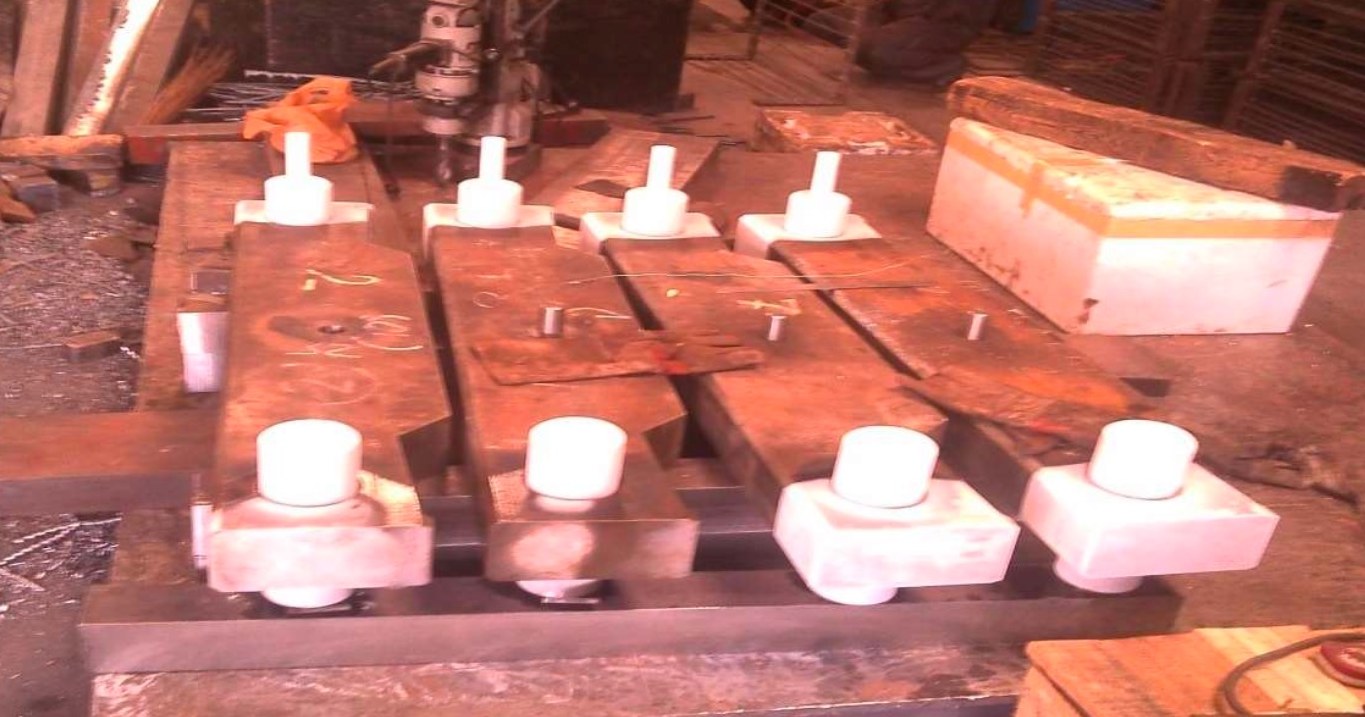
This technique has been central to precision stabilizer cartridge assemblies on naval stabilizer programmes — a demonstration of how a well-understood thermodynamic principle, applied with discipline, becomes a differentiating manufacturing capability.